
- Multiple quotes from specialist brokers
- Flood risk, thatched roofs, subsidence, listed buildings we can help
- Hassle free - complete just one quick, easy form
Non Standard Property Insurance
We partner with specialist insurance providers including













































What does QuoteSearcher do for you?
At QuoteSearcher, we have a lot of experience in dealing with non standard property insurance, and indeed the brokers that offer such policies. We aim to take as much of the legwork from you as possible.
We ask for a few bits of information which we then take directly to our wide-ranging panel of brokers. They will get in touch with you as quickly as possible to provide you with a competitive quote.

FINDING SPECIALIST QUOTES SINCE 2005
Online for over 20 years matching customers with specialist brokers

FAST AND SIMPLE PROCESS, YOU’RE IN THE RIGHT PLACE
Complete one simple form to receive multiple quotes, let us do the leg work for you

SIT BACK AND RELAX, YOU’RE IN CONTROL
You compare the quotes and choose the policy that best suits your needs
Customer's Love Our Service
Quick quote, no hassle and saved £700!
Fantastic can't fault in any way, would use time and again and recommend to all!
Excellent and fast service, will use again.
Quick helpful and cheap, can’t complain at anything. Thanks very much.
Found the site easy to use, had good feedback from four companies, all very competitive.
Helpful and efficient service, I was impressed how quickly I received my quotes.
Very quick responses and completed selection and purchase of a very competitive new policy within 24 hours.
Very good and easy to use, this has not only saved me money but also saved me a lot of phone calls and time, thank you.
Excellent service and delivered quicker than the website said. Have bought and will buy much more from here. Prices very competitive and often much cheaper. Yet to find something I want that they don't have.
Thought they were very good there was no need to ring around and I found what I was looking for.
Non Standard Property Insurance Policy Features
Building and Contents cover
Protection against damage to property structure, fittings and furniture. Find out more about Building and Contents Cover.
Structural damage cover
Cover in the event of landslip, subsidence or heaving
Damage Cover
Cover in the event of weather, fire, riot or malicious intent
Liability cover
Read more about Public and Property Owners’ Liability Cover
Types of Non-Standard Properties
Non-standard Construction
- Non-combustible pre-fabricated
- Steel framed
- Timber framed
- Wattle and Daub
Non-standard Roofing
- Flat roof
- Shingle
- Thatched
Listed buildings (Grade I, II* and II)
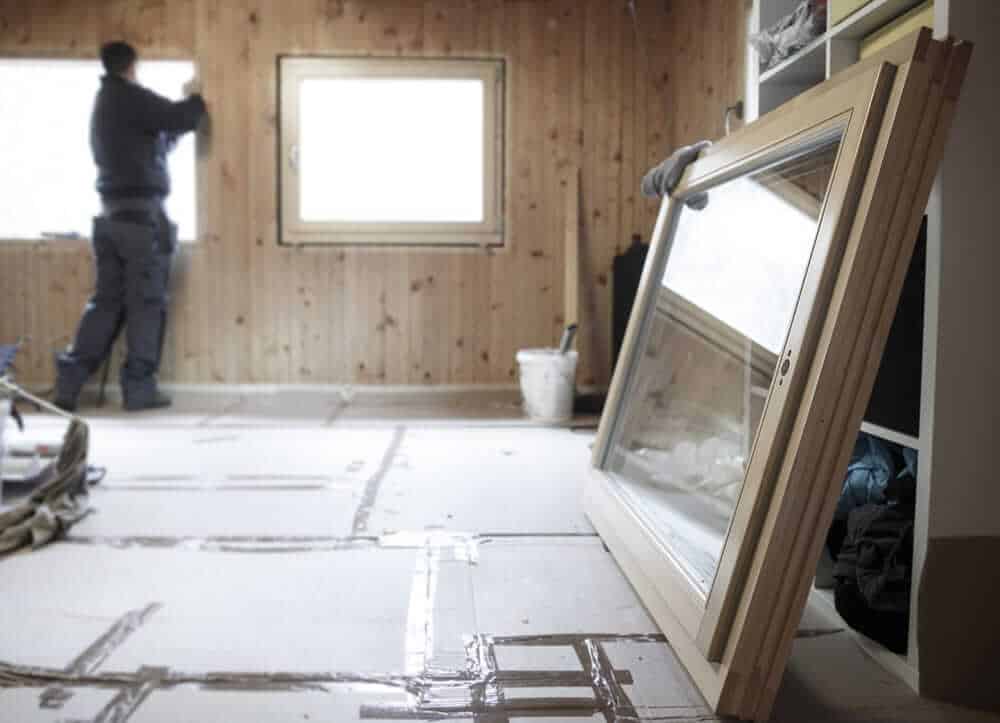
NON STANDARD CONSTRUCTION
Non Combustible Pre Fabricated
Also known as prefabs, there are over 1.2 million of these homes in the UK. Modern prefabs can be vast, offering multiple stories and even basements. Each section or module is constructed off site in a factory before being delivered and constructed on site, which speeds up the build and keeps down the costs.
Steel Framed
Steel frames are not combustible and are immune from rot or decay. However, be aware that in some older steel framed houses, asbestos may have been used as insulation. If you think your house could fall into this category, have your house checked by a professional for any signs of asbestos as this could be deadly in the long run.
Timber Framed
A timber framed home replaces the inner wall with timber, which is still strong enough to support the load of the whole house. The outer wall is often clad in brick which can give the building the appearance of a typical brick built home. Other forms of cladding include stone, block and render, or plain timber boarding.
Wattle and Daub
A 5,000 year old technique comprising a mixture of mud, straw and dung, compressed into a hard building material. Typically used with a timber framework, and a popular choice for enthusiasts of sustainable living. Any repairs will need to be undertaken by a specialist.
NON STANDARD ROOFING
Flat Roofs
Flat roofs are prone to leaking, yet are easy to inspect and should be done on a regular basis.
Shingle Roofs
Shingles are flat rectangular shapes which are laid in rows across the roof from the bottom upwards. Each layer overlaps the joint with the previous one, making it water tight. Older shingle roofs use copper or lead sheeting as underlays, whereas more modern ones will have a layer of plastic.
Thatched Roofs
Thatch is layers of dry vegetation including straw, water reed, sedge, heather or rushes and has an increased fire risk. Contact a thatched roof specialist to find out which vegetation yours is made of so you can provide the details to your insurer.
Listed Buildings
A listed building is a structure that has been placed on the UK Statutory List of Buildings of Architectural or Historic Interest.
Data from 2016 shows there were over 375,000 listed buildings in England. There are 3 levels:
- Grade I: Buildings of exceptional interest. These make up only 2.5% of listed buildings.
- Grade II*: Particularly important buildings of more than special interest
- Grade II: Buildings that are of special interest, warranting every effort to preserve them
Generally speaking, the older your home is the higher the chance it will fall into one of the above categories.
As they are protected by law you will still require special permission to make any repairs or alterations to the building, and will more than likely be required to use very specific, and usually very expensive, materials so that the repairs are in keeping with the rest of the building.
Other Factors
The more unusual the property, the trickier it will be to insure and the higher the price of the premium. This is because the cost of the rebuild will be greater than a regular building, and the risks are harder for the insurer to assess.
If your home is left empty for a prolonged period of time, you will need to buy a specific unoccupied property policy.
The same applies if you are trying to insure a holiday home; you will need holiday home insurance.
Subsidence and Flooding
If you live in an area that is particularly prone to subsidence or at a high risk of flooding you will require non-standard property insurance, regardless of what material the building is constructed from.
This is because claims associated with these things are usually very high, hence the higher price of premiums in affected areas.
FREQUENTLY ASKED QUESTIONS ABOUT NON STANDARD PROPERTY INSURANCE
Related Products
Unoccupied Property Insurance
Get Quotes
