
- Any and Named Driver
- Breakdown and Hire Car Cover
- Motor Excess and Legal Protection
- Passenger Liability and More
Motor Insurance Policy Features Explained

Welcome
Not all motor insurance policies are created equal. The difference between a policy that works for you and one that leaves gaps often comes down to the features included and whether you knew to ask about them in the first place.
This guide covers the key features that may be available when arranging motor insurance, whether you drive a car, van, motorbike or specialist vehicle. Understanding what’s on offer can make it considerably easier to find cover that actually fits your circumstances.
Any and Named Driver Cover
Some motor insurance policies allow for multiple drivers to be covered under a single arrangement, either through any driver cover or by adding named drivers to the policy. The option that is most appropriate will depend on how the vehicle is used and who drives it.
Any Driver Cover
Any Driver Cover may allow a vehicle to be driven by individuals other than the policyholder, without the need to name each driver individually. Because insurers are unable to assess the experience or driving history of every potential driver in advance, this type of cover can attract higher premiums than named driver policies. It is, however, a feature that a number of businesses may find particularly relevant, including taxi fleet operators, courier and logistics companies, driving schools, and other businesses where vehicles are shared between staff depending on shift patterns or operational requirements.
Named Driver Cover
A more cost-effective alternative for many policyholders is to add specific named drivers to the policy. Because insurers are able to assess the experience and history of each named driver individually, this approach can result in more accurately priced cover compared to any driver policies.
Named driver cover can also be useful for households where a vehicle is shared between family members. For example, a parent may wish to add a younger driver to their policy while that driver is building experience. The number of named drivers that can be added to a policy will depend on the insurer’s terms, so it is worth discussing this with a broker when arranging cover.
Breakdown Cover
Breakdown cover is a policy feature that may provide roadside assistance in the event your vehicle becomes inoperable while on the road. Depending on the provider and the level of cover selected, this could help avoid the cost and inconvenience of arranging recovery independently.
Common issues such as flat batteries, misfuelling or mechanical faults can be disruptive and potentially costly to resolve without cover in place. The specific features available will depend on the insurer and the breakdown product selected, but may include:
Roadside Assistance
May cover the cost of a roadside repair where it is possible to fix the vehicle at the scene, helping to get you back on the road without the need for a recovery vehicle.
Home Start
May cover the cost of assistance if the vehicle fails to start or breaks down in the vicinity of your home address, where standard roadside cover might not apply.
Local and National Recovery
May cover the cost of transporting your vehicle to a local garage, or to a destination elsewhere in the UK if a local repair is not possible, depending on the level of cover selected.
Onward Travel
Some policies may include provision for onward travel if the vehicle cannot be repaired at the roadside, for example, covering the cost of a replacement vehicle, alternative transport or overnight accommodation, subject to policy terms.
Family Cover
Certain breakdown products may extend cover to additional members of the same household, depending on the provider and the policy selected.
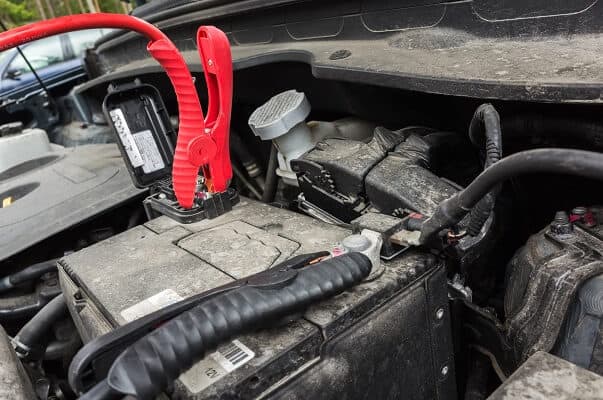
It is also worth checking whether any breakdown cover included in your policy extends to driving within Europe, or whether this would need to be added separately. This can vary between providers and policies.
EU Cover
If you plan to drive your vehicle in Europe, it is important to check what level of cover your existing motor insurance policy provides while you are abroad. The level of cover that applies when driving outside the UK can vary significantly between insurers and policies, and should be confirmed with your broker before travel.
Some policies may include a degree of cover for European driving as standard, while others may require it to be added as an optional extra. Where EU cover is included or available, it is worth checking the following with your broker:
- Which countries are covered. Not all European countries are EU member states, and cover may vary depending on the destination. Countries such as Norway and Switzerland, for example, are in Europe but are not EU members
- How long the cover applies for. Many policies that include EU cover do so for a limited period, often around 30 days, after which additional cover may need to be arranged
- Whether your breakdown cover would also apply abroad, or whether separate European breakdown cover would be required
- What level of cover applies, i.e. whether this is third party only or extends to the same level as your UK policy
Driving abroad without appropriate cover in place could leave you financially exposed in the event of an accident or breakdown. Speaking with your broker ahead of any planned travel is the most reliable way to understand what your policy covers and whether any additions may be needed.
Hire Car Cover
Hire car cover, sometimes referred to as a courtesy car provision, is a policy feature that may provide access to a temporary replacement vehicle while your own is being repaired or replaced following an insured event. This can be particularly relevant for those who rely on their vehicle day to day, including tradespeople, taxi drivers, couriers and driving school instructors, where being without a vehicle could directly affect their ability to work.
The availability of a hire vehicle, and the terms under which it is provided, will depend on the insurer and the specific policy. Some points worth discussing with your broker include:
- The duration of the hire period. Many policies include a hire vehicle for a defined period, after which any extension would need to be arranged and may involve additional cost
- The type of replacement vehicle provided. This may not be equivalent to your own vehicle in size or specification
- The conditions under which hire car cover applies. Cover is typically subject to the underlying claim being valid, and may not apply in all circumstances
- Any terms and conditions associated with the use of the hire vehicle, which will be set by the hire provider
As with all policy features, the availability and scope of hire car cover can vary between providers. A broker will be able to outline what is included and whether this feature is available as part of the policy you are considering.
Limited Mileage Cover
Limited mileage cover is an option that may be available for vehicles that are driven significantly less than the typical annual mileage for a UK driver. Because lower mileage generally means less time on the road and reduced exposure to risk, some insurers may reflect this in how they price certain policies.
This type of cover may be worth considering if your vehicle is a secondary rather than primary mode of transport, for example, a classic car, campervan, or high-performance vehicle that is used occasionally rather than daily. You can check your vehicle’s recent mileage by referring to an MOT certificate, which may help you estimate your annual usage.
Limited mileage cover may be relevant in situations such as:
- A vehicle that is only driven during certain periods, such as holidays or good weather
- A student’s car that is primarily stored at home and used infrequently during term time
- A vehicle kept off the road temporarily due to a medical condition or other circumstance, in which case laid up cover may also be worth exploring
It is important to declare your mileage as accurately as possible when arranging a limited mileage policy. Underestimating usage could affect the validity of a claim, so it is worth discussing your typical patterns with a broker to find an appropriate level of cover.
Motor Excess Protection
When making a motor insurance claim, you may be required to contribute a set amount towards the cost before your insurer covers the remainder. This is known as an excess, and it typically comes in two forms:
- A compulsory excess, which is set by the insurer based on factors such as the driver’s age, experience and the vehicle type
- A voluntary excess, which you can choose to add on top of the compulsory amount. Generally, agreeing to a higher voluntary excess may reduce your premium, as you are taking on a greater share of any claim cost
For example, if a claim is valued at £500 and your total excess is £150, you would typically pay the £150 and the insurer would contribute the remaining £350, subject to the claim being accepted and policy terms.
Excess protection is an optional feature that may allow you to claim back the excess amount you have paid following a valid claim, up to a specified annual limit. This can be worth considering in situations where you may be liable for an excess even though the incident was not your fault, for example:
- Where the accident was determined to be your fault
- Where a third party left the scene without providing their details
- Where the other party involved was uninsured
- Where the vehicle was stolen
- Where accidental or malicious damage has occurred
The level of excess protection available, and the annual limit up to which you can reclaim, will vary between providers. A broker will be able to explain the options available and help you assess whether this feature is appropriate for your circumstances.
Motor Legal Protection
Motor legal protection is a policy feature that may help cover legal costs associated with pursuing uninsured losses following a road traffic incident that was not your fault. Even where liability is clear, recovering costs such as personal injury, loss of earnings or vehicle repair from a third party can involve a legal process, and the associated costs can be significant.
Where motor legal protection is included or available as part of a policy, it may help contribute towards costs relating to:
- Personal injury claims arising from the incident
- Recovery and repair costs for your vehicle
- Medical expenses connected to the incident
- A replacement vehicle during the period of repair
- Loss of earnings where injury has affected your ability to work
- Loss of personal possessions damaged in the incident
The scope of cover and the circumstances under which a legal protection claim may be accepted will depend on the insurer and policy terms. A broker will be able to outline what is included and what conditions apply, so you can assess whether this feature is relevant to your situation.
Passenger Liability Cover
Passenger liability cover relates to your legal responsibility towards passengers travelling in your vehicle in the event of an accident. If a passenger sustains injury or loss as a result of an incident, there may be legal, medical or compensation costs that arise as a consequence.
For businesses or individuals who regularly carry passengers, such as private hire taxi operators, public hire taxi drivers, coach and bus operators, or minibus drivers, this type of cover is an important consideration when arranging insurance. The costs associated with passenger injury or compensation claims can be substantial, and having appropriate cover in place may help manage that financial exposure.
All drivers in the UK are required to hold at least third party only (TPO) motor insurance, which provides a level of cover for third parties, including passengers, in the event of an accident. However, for businesses operating vehicles specifically to carry passengers, the level and nature of cover required may be more specific, and it is worth speaking with a broker who has experience in the relevant area – whether that is taxi, minibus, coach or another form of passenger transport.
A broker will be able to outline the types of cover available based on how your vehicle is used and who travels in it, helping you understand what protection may be appropriate for your circumstances.
