
- Compare motorhome insurance options through specialist brokers
- Cover options for UK and European travel
- Policies for a range of motorhome classes and uses
- One short form to connect with experienced brokers
Motorhome Insurance

We partner with specialist insurance providers including















































Why Use QuoteSearcher for Motorhome Insurance?
Motorhomes combine elements of both vehicles and living spaces, which means insurance requirements can be more complex than standard car policies. Factors such as onboard equipment, travel abroad and how frequently the vehicle is used can all influence the type of cover available.
QuoteSearcher connects motorhome owners with brokers experienced in arranging this type of insurance. By completing a short form on our site, you can be introduced to brokers who will discuss your motorhome, outlining cover options based on how it’s used.
This lets you explore motorhome insurance through experienced brokers, without needing to compare multiple providers yourself.

FINDING SPECIALIST QUOTES SINCE 2005
Online for over 20 years matching customers with specialist brokers

FAST AND SIMPLE PROCESS, YOU’RE IN THE RIGHT PLACE
Complete one simple form to receive multiple quotes, let us do the leg work for you

SIT BACK AND RELAX, YOU’RE IN CONTROL
You compare the quotes and choose the policy that best suits your needs
Customer's Love Our Service
Quick quote, no hassle and saved £700!
Fantastic can't fault in any way, would use time and again and recommend to all!
Excellent and fast service, will use again.
Quick helpful and cheap, can’t complain at anything. Thanks very much.
Found the site easy to use, had good feedback from four companies, all very competitive.
Helpful and efficient service, I was impressed how quickly I received my quotes.
Very quick responses and completed selection and purchase of a very competitive new policy within 24 hours.
Very good and easy to use, this has not only saved me money but also saved me a lot of phone calls and time, thank you.
Excellent service and delivered quicker than the website said. Have bought and will buy much more from here. Prices very competitive and often much cheaper. Yet to find something I want that they don't have.
Thought they were very good there was no need to ring around and I found what I was looking for.
What Is Motorhome Insurance?
Motorhome insurance, sometimes written as motor home insurance, is a specialist type of motor insurance designed for vehicles used for both travel and accommodation.
Policies typically take into account features such as fitted kitchens, sleeping areas and stored personal belongings, as well as the risks associated with driving and storing a larger vehicle.
Motorhome Insurance Policy Features
Cover will vary depending on the insurer and policy selected, but may include the following
Accidental Damage Cover
May cover repair costs if the motorhome is damaged in an accident.
Contents Cover
May cover personal belongings stored within the motorhome, such as appliances, furniture and equipment.
EU and Worldwide Cover
Some policies may extend cover to travel within Europe or other specified regions.
Storm and Flood Damage Cover
May protect against damage caused by severe weather, including flooding.
Vandalism and Malicious Damage Cover
May cover repair costs if the motorhome is intentionally damaged by third parties.
Awnings and Generator Cover
May include protection for external equipment and accessories attached to or used with the motorhome.
Breakdown Cover
May provide roadside assistance and recovery if the motorhome breaks down, including options for travel in Europe.
Motorhome Insurance Policy Exclusions
As with all insurance policies, certain exclusions apply. These can vary between providers, but commonly include:
- General wear and tear
- Damage caused by mould or mildew
- Vermin infestations
- Unforced entry where the vehicle was left unsecured
- Use of the motorhome for trade or business purposes
- Use as a permanent residence
Your broker will be able to explain the specific exclusions within any policy you’re considering.
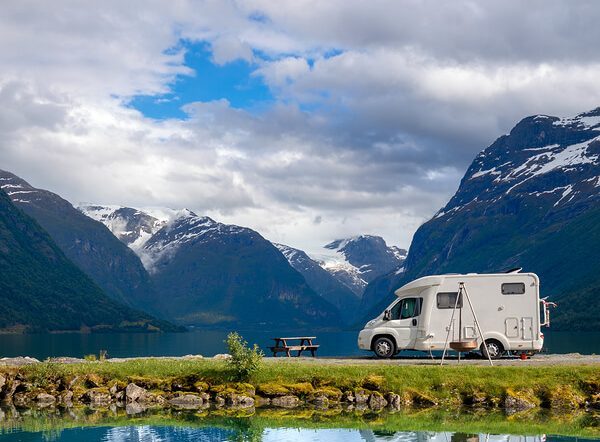
Types of Motorhome
Motorhomes are generally categorised into three main classes, which can affect insurance considerations.
Class A Motorhomes (Integrated)
These are typically the largest motorhomes, often featuring full kitchen and bathroom facilities, large living areas and extensive storage. They are often bus-style or rigid lorry-based vehicles, and may require a Category C licence to drive. Due to their size and value, insurance for these vehicles may be higher.
Class B Motorhomes (Semi-Integrated)
Usually built on a van chassis, these motorhomes are more compact and easier to manoeuvre. They often include essential living facilities within a smaller space. These are the most common type of everyday motorhome, and specialist brokers can arrange cover whether the vehicle has been professionally converted, home converted or is still in the process of being converted.
Class C Motorhomes (Alcove)
Also known as coach-built motorhomes, these feature an extended sleeping area above the cab. They offer a balance between space and practicality, sitting between Class A and Class B in terms of size and cost. Another very common everyday motorhome, the specification can differ considerably depending on the coachbuilder.
How Insurers Classify Motorhomes
The classes above are widely used, but insurers and brokers often rate motorhomes slightly differently. The categories below are the ones most commonly used when arranging cover, and they map closely onto the classes above.
Converted Coach
Essentially the Class A category: buses or lorries weighing over 7.5 tonnes that have been converted for living. These can be professionally converted or DIY. They are less common than other types, so specialist cover is often needed.
Motorcaravan
Coach-built and professionally converted motorhomes. This category combines Class B and Class C vehicles.
Home-Converted Camper
A camper converted by its owner. For a broker to arrange cover, the conversion would generally need to include side windows, a bed, storage and cooking facilities.
Camper in Conversion
Cover is available for owners who are part-way through a conversion, whether the work is being done by the owner or by a professional.
Weight and Size
Motorhomes can range from vehicles under 3.5 tonnes to heavier 7.5 tonne models and above, and weight, length and value all feed into how insurers assess them.
High-Value Motorhomes
Larger, newer or high-value motorhomes may need more specialised cover, including higher limits for the vehicle and its contents. A broker can talk you through what’s available.
Popular Makes and Models
Whether you own a well-known British make such as Auto-Sleeper or Bessacarr, or a continental model such as Hymer, brokers can take the make, model and age into account when arranging cover.
Classic Motorhomes
Older and classic motorhomes are often assessed differently to modern vehicles. Brokers may take age, condition and any restoration work into account, and may discuss whether an agreed value policy suits your motorhome.
Self-Build and Converted Motorhomes
Some motorhomes are converted from a van or built by the owner. Insurers often treat self-build and converted vehicles as a distinct category, and may want details of the conversion work, materials used and any certification involved. Specialist brokers can talk you through what’s needed to arrange cover.
Imported and Left-Hand Drive Motorhomes
If your motorhome has been imported, including left-hand drive models, specialist brokers can take its origin and specification into account when arranging cover.
What Affects the Cost of Motorhome Insurance?
There’s no single typical price for motorhome insurance, as the cost will depend on several factors, including:
- The size, type and value of the motorhome
- How often and how far it’s used
- Storage location and security measures
- Your age and driving history
- Whether the vehicle is used in the UK only or abroad
Specialist or high-value motorhomes may require more specialised cover, which can influence the overall premium.
